

We’ve all been there: the “what-the-heck-are-we-having-for-supper?” scramble. Those “what should I cook?” feelings show up often during a busy work and school week. When sports are in full swing, there’s the added challenge of driving kids to practices and games, often right through supper time. How do we feed kids who aren’t hungry, offer food that helps them feel energized and comfortable, and fit in all the added sports-nutrition planning? These are common questions I hear from fellow parents in the sporting community.
With two busy kids in multiple demanding sports, here’s what I recommend as both a sports mom and a pediatric dietitian. When practice falls before dinner, offer an after-school snack or mini-meal to bridge the gap. If there are two or more hours before practice, there is usually room for something more substantial. If practice starts soon, choose a smaller, familiar, carbohydrate-rich option that feels comfortable to eat.
After practice, offer dinner or an easy snack based on the time and your child’s hunger. Sounds easy, right? Rest assured, there’s no perfect scenario. We can’t control whether our kids eat what we offer, and we can’t add more time to the day to prep everything. Our job is to offer opportunities that help kids learn to notice their bodies and hunger cues, without pressure. Read on for some ideas to make the after-school sports scramble feel a little less scrambled.
What your child eats before sports will depend on a few factors: their school schedule (for example, when they had lunch and when they’re picked up), how much time they have before their sport (hello, traffic), and how long or demanding the activity will be.
Generally speaking, it helps to keep a predictable but flexible eating schedule. In my household, supper is usually between 6 and 7 p.m. As a mom of older elementary-age kids, I see sports start anywhere from 4 to 8 p.m., so I adjust eating opportunities around the schedule and my kids’ appetite.
For early practices, a regular after-school snack followed by supper afterward works well. For later practices, an earlier supper followed by a snack after the sport may work better. If an activity starts right around our usual supper time, I might offer two more substantial snacks on either side of practice or split dinner into two smaller meals. This gives kids opportunities to eat in a way that supports their energy and comfort during activity.
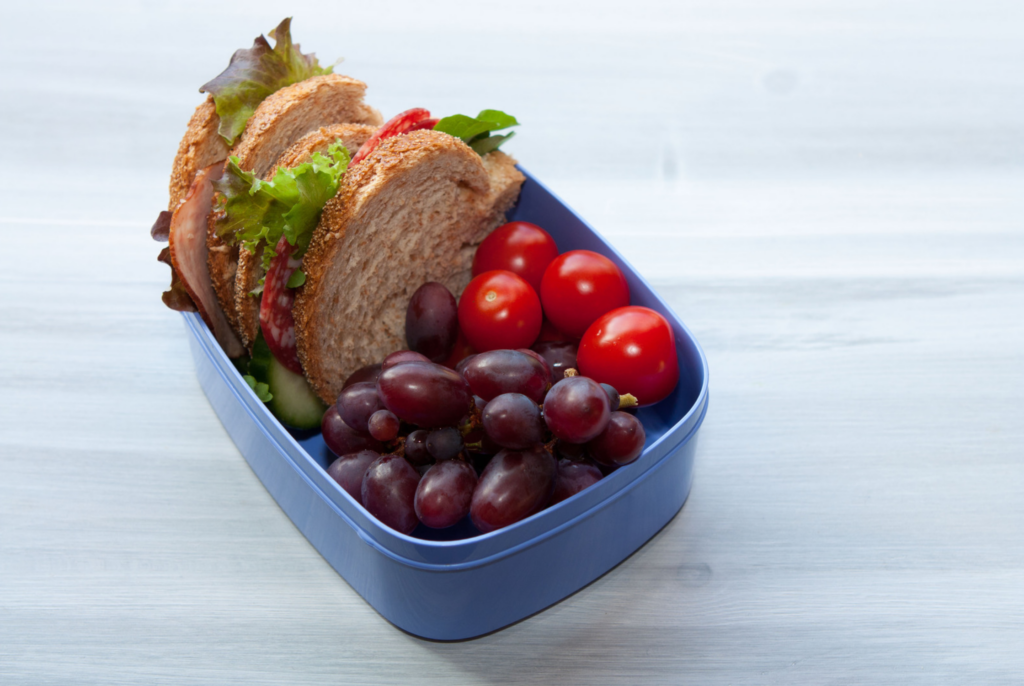
Here’s a quick guide with some practice meal and snack ideas for after-school sports.
| Time before practice | General approach | Meal or snack examples |
|---|---|---|
| About 2–3 hours | Early dinner or substantial mini-meal | Sandwich or wrap with fruit; leftovers; pasta with sauce; rice bowl; cereal, milk and fruit; eggs and toast |
| About 1–2 hours | Satisfying snack with carbohydrate plus some protein | Yogurt and granola; muffin and milk; bagel with nut or seed butter; crackers, cheese and fruit; smoothie and toast |
| Less than an hour | Smaller, familiar and easy-to-eat carbohydrate-rich option | Banana; applesauce pouch; dry cereal; toast; pretzels or crackers; granola bar; fruit pouch |
Keep in mind that these examples are meant to be starting points, not strict rules. Every child is different, and factors such as age, appetite, food preferences, comfort with different foods, and ability to prepare and pack their own food all play a role in what works best.
It can also help to think about the difference between a snack, mini-meal and meal. The difference often comes down to how much food is offered and how many components it includes. A snack might include one or two foods, with something like protein, fat or fibre that helps it feel satisfying. A meal often brings together a few different foods, and a mini-meal falls somewhere in between—a smaller portion of a regular meal or a more substantial snack.
Remember, you know your child best! It’s perfectly okay to prioritize familiar, enjoyable foods that your child is more likely to eat before sports. The goal is to help them feel energized and comfortable, not to create an ideal snack or meal every time.
One consideration is timing for foods higher in fat or fibre. Because these foods take longer to digest, larger amounts right before activity may cause digestive discomfort for some kids (and adults, too!). This doesn’t mean these foods need to be avoided; it’s simply about finding the timing and combinations that work for your child.
Ultimately, sports nutrition is about flexibility, not perfection, and helping kids learn what foods, amounts, and timing allow them to feel their best.
Sharing an evening meal in a calm environment can be lovely, but it isn’t realistic for every family on every sports night—and that’s okay. Supper doesn’t have to mean everyone sitting down together at the same time. Meals can be on the go or served in shifts. Enjoy time together when it works, and take some pressure off the idea of what supper “should” look like.
Supper times can vary for families. If you find your child’s sports land directly over your usual supper time, here are a few examples of what to do.
Example: School ends at 2:30, practice begins at 4:30 and ends at 6:00.
Example: Practice runs from 5:30 to 7:00.
Example: Practice begins at 7:00 or 7:30.
For older kids especially, getting them involved in meal and snack preparation is a great way to build independence and responsibility. Think of it as another part of getting ready for practice! In our house, my kids are responsible for packing their own sports gear. Have we had a few forgotten pieces of equipment along the way? Absolutely! Those moments are all part of learning.
The same approach can apply to food. Encouraging kids to help plan, prepare and pack their meals and snacks can build confidence in the kitchen and help them take ownership of eating around their activities. Plus, sharing the responsibility makes busy family schedules run a little more smoothly. For more ideas, see our post on meal prep for teen athletes.
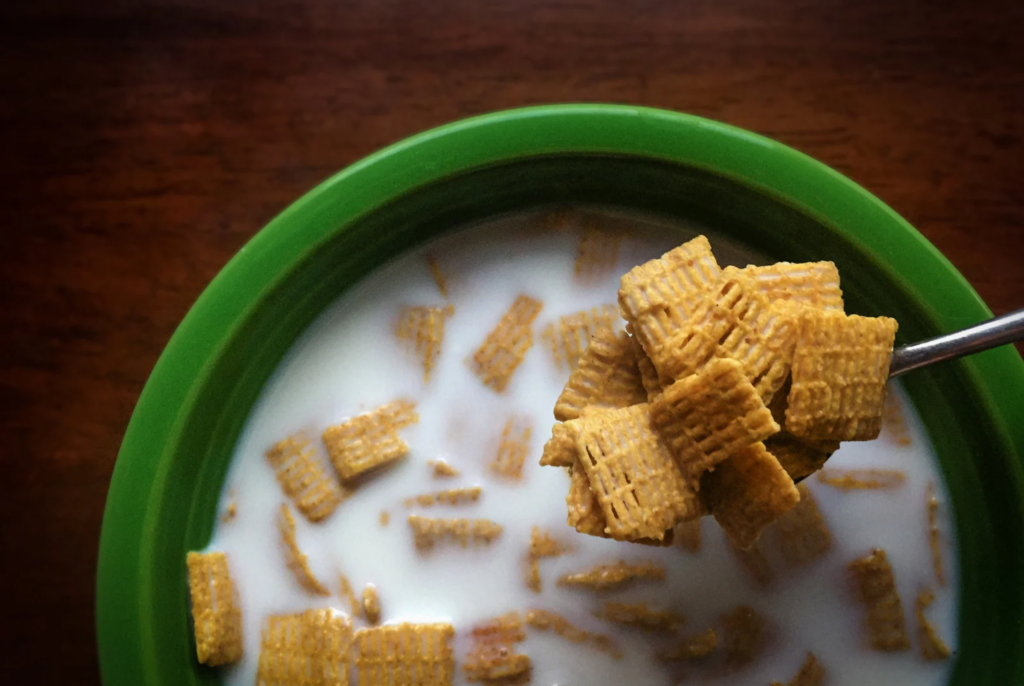
After a late practice, you might be battling both a tired and hungry kid. The goal is to get food on the table quickly. If dinner hasn’t happened yet, offer a familiar meal after practice; if your child ate a substantial meal beforehand, a snack may be enough.
Depending on the activity and how much your child sweats, they may need time to wind down after a later evening practice. Their appetite after a practice session will depend on the activity and timing. There’s no need for a specialized “recovery meal” every night; simply offer food that includes carbohydrates and some protein.
On busy sports nights, I’m a huge fan of reheated leftovers, a slow-cooker meal or breakfast for supper. Other easy options include cereal with milk and fruit, toast with eggs, yogurt with granola and fruit, a smoothie with toast or a muffin, a sandwich, soup with bread, or cheese and crackers with fruit.
Encourage your child to have access to water throughout the school day and bring a filled, clearly labelled water bottle to practice. Water is a good choice for most routine activities. Sports drinks may be useful during prolonged, vigorous activity or in unusually hot conditions. Sports drinks and caffeinated energy drinks are not the same thing. For more detail, see our game-day nutrition guide for young athletes.
Having a selective eater who is also navigating the energy demands of sports can be tricky. Keep in mind that there are multiple opportunities for your child to eat throughout the day. Focusing on food exploration right before a practice or game might not be the right opportunity.
Instead, focus on foods your child already trusts. Familiar foods on game day can offer predictability and comfort. The best pre-practice snack is not the one that looks most impressive. It is one your child can comfortably and reliably eat. If you’d like more support with your child’s eating, consider one-on-one counselling. You can also read our post on what causes picky eating.
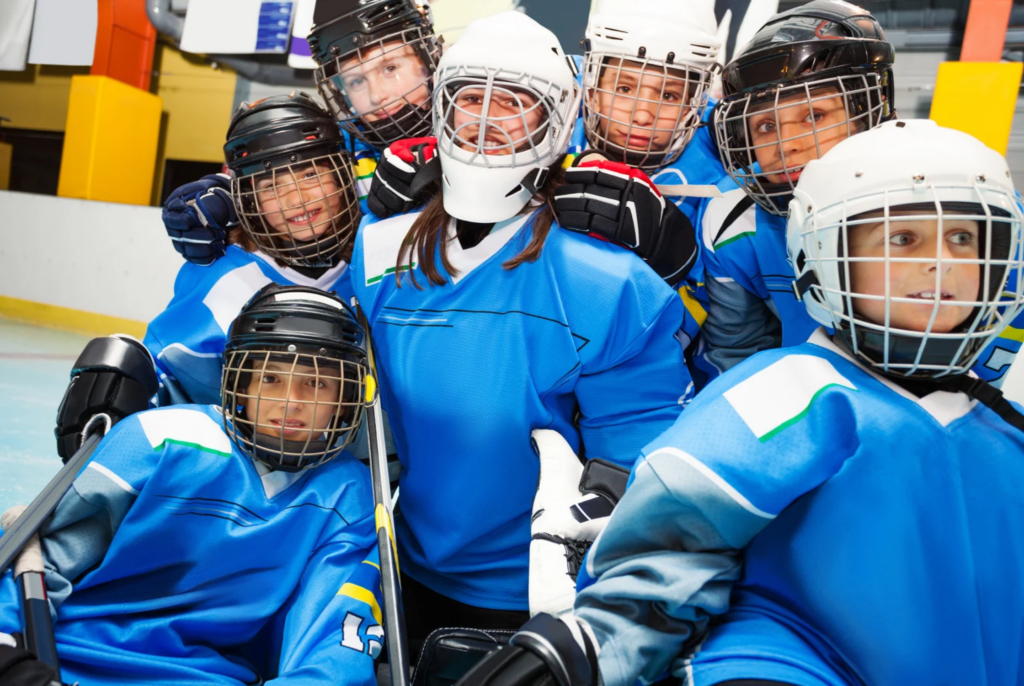
We’ve all heard our kids say, “I’m not hungry.” They may not be feeling physical hunger, or they may simply not want what’s being offered (sometimes called “taste hunger”). Another type of hunger I often talk about in my counselling work is “predictive hunger” – eating before we feel physically hungry because we know our bodies will need energy later. For active kids, this can be helpful, especially when juggling school, sports and busy schedules.
Sometimes kids aren’t hungry before practice because they’re excited, distracted or still full from an earlier meal. Having the opportunity to eat can help some children feel more comfortable during activity, even if they aren’t noticing physical hunger yet. The goal isn’t to force food, but to offer an opportunity and respect their appetite and autonomy.
As parents, we can respect our children’s hunger and fullness cues while still offering food when we know there may not be another chance to eat for a while. A few ideas can help make that opportunity feel manageable.
Remember, the goal isn’t to make kids eat when they’re not hungry. It’s to offer predictable opportunities for food, help them understand their body’s needs, and build confidence in making food decisions. Over time, kids can learn to balance their hunger cues with the practical demands of their activities.
Either can work! Base the decision on practice time, how long it has been since the child ate and what feels comfortable in their body. It’s okay either before or after.
Offer a small, familiar, carbohydrate-rich option such as fruit, applesauce, dry cereal, crackers, toast or a granola bar.
Treat the after-school eating opportunity more like a mini-meal than a small snack. Include several familiar components and allow enough time to eat before activity.
Usually not for routine activity. Water is generally sufficient, although prolonged, vigorous activity, significant sweating or hot conditions may require individualized guidance.
Yes. If a child is hungry after practice, it is appropriate to offer dinner or a snack even if it is later than the family normally eats.
Feeding kids around busy sports schedules doesn’t have to be complicated or perfect! Some days that might mean an early supper, other days it’s a mini-meal in the car or a quick snack after practice. What matters most is providing consistent opportunities for nourishment, being flexible with timing, and offering foods your kids enjoy and feel comfortable eating before sports.
We’re not just fueling kids for their next practice or game; we’re helping them build confidence in the kitchen, learn to trust their bodies, and develop a positive relationship with food. A little planning, a lot of flexibility, and taking the pressure off mealtimes can go a long way in making the after-school sports scramble feel a little less scrambled!
If you’re unsure how to support your child’s nutrition around school, sports and a busy family schedule, our youth sports dietitians can help you build a flexible plan that fits your child’s sport, growth stage and schedule.

