


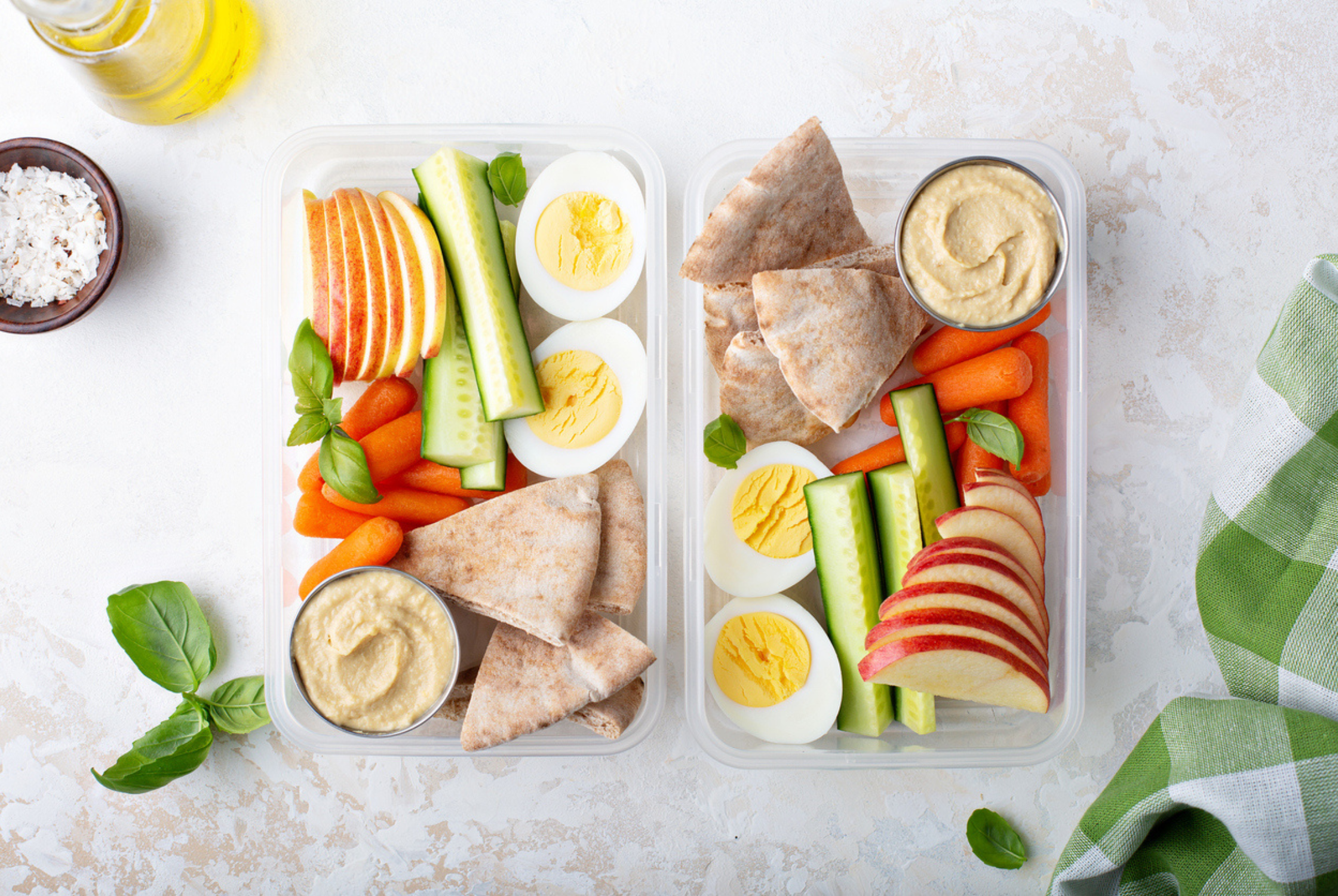
Summer is just around the corner. While this can often mean a welcomed change of pace and activity, it can also come with sneaky challenges. This is especially true when it comes to feeding kiddos. During the summer months:
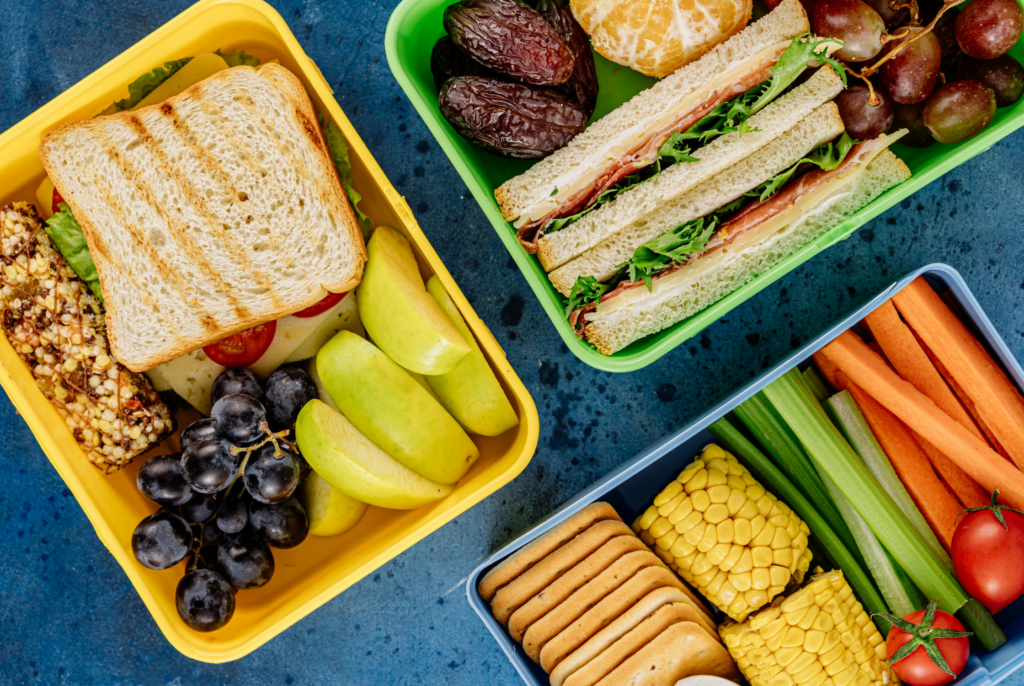
Summer days can sometimes look like this: everyone is outside, playing, having a great time. The next minute, everyone is tired, hot and hungry. Like “I need to eat right this second” hungry, and the lunch plan you had in mind goes right out the window!
Come with me as we explore realistic no-cook lunch-time solutions that will provide nourishment, balance and variation for your child so you can get back to your family’s summer fun!
There are many reasons summer meals may feel more challenging for a selective eater. Feeling hot, overstimulated, tired or out of routine can affect appetite and awareness of hunger cues. Eating in unfamiliar settings, such as at a picnic area, swimming pool, campground or in the car, may also make it harder for some kids to eat comfortably.
Some children are sensitive to texture, smell, temperature or foods touching, while others benefit from the routine, peer modelling and encouragement they experience at school or daycare. Learning more about the common reasons behind picky eating can help you better understand what may be influencing your child’s eating.
Safe foods are ones your child usually accepts and enjoys. By including these foods, you can rest easy knowing your child is getting nourishment and fuel to carry on the day. It also leaves room for gentle exposure to less accepted foods. For your child, recognized foods help mealtime feel more comfortable and less overwhelming. Check out our no-hassle lunch formula below for ideas on how to nourish your child during the summer months.
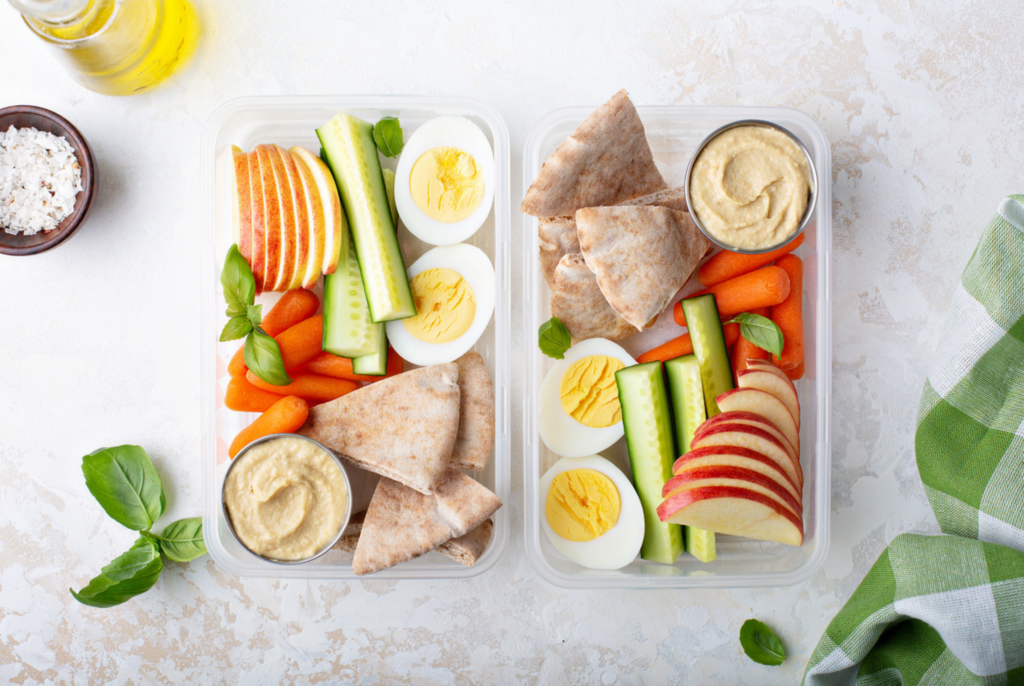
Having an easy framework to pull meal items together from makes it easy to achieve balanced, nutritious and enjoyable lunches. It can also help with offering variations without overthinking it!
Pick an item from each category and serve bento-style:
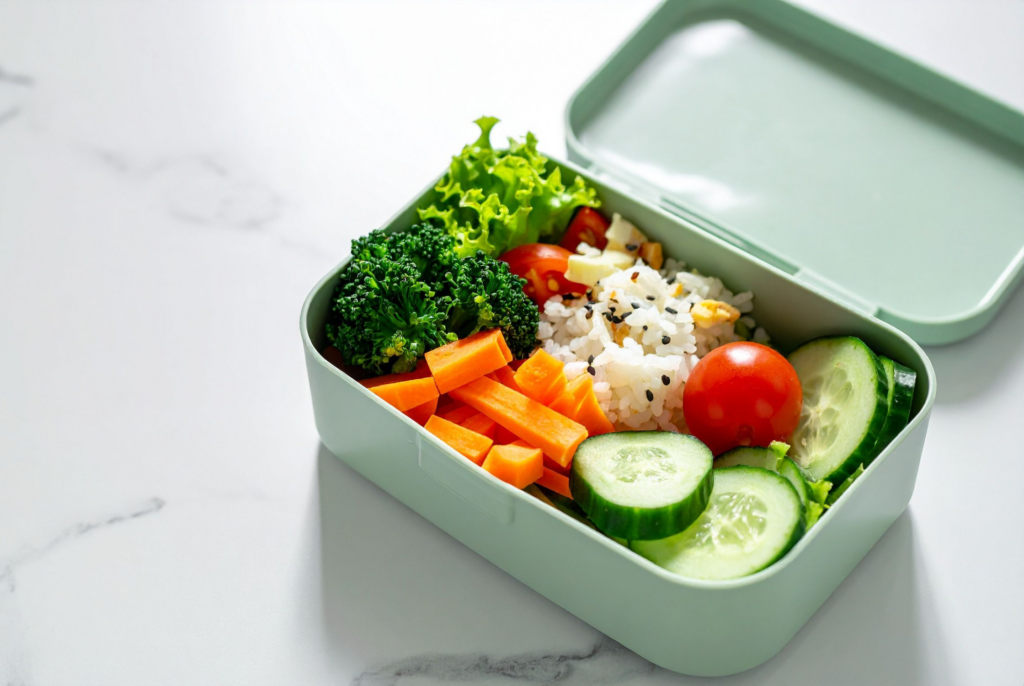
Need help thinking outside the box for summer lunches? These ideas are either no-cook or use small appliances that won’t heat up your house or take up your whole day:
OKay, so you stayed too long at the spray park and now you have mere minutes before the hunger meltdowns start. Here are some meals you can have done in 5 minutes or less:
Remember, lunch does not need to be elaborate. A peanut butter and jam sandwich with a banana and milk offers nourishment and balance, takes some of the load off you and brings the timeless joy of a familiar PB + J. For more portable options for park, pool or beach days, explore these beach snack ideas for toddlers.
Passive food exposure is one of the best ways to begin adding variety to your child’s diet. Passive exposure means offering without pressure, bribe, threat or negotiation. When a child feels pressured to try a new food, this can increase resistance and decrease the likelihood that they will try or accept that food now or in the future.
By offering the food on the table or on a child’s plate without expecting them to consume it, it normalizes that food and increases curiosity. Defenses go down and willingness goes up. Some food items may be accepted right away but others take repeated exposure. This is still highly beneficial. Doing the inverse would mean never offering the food because it has been rejected in the past. This can increase the fear or reluctance of trying that food down the road and solidify the idea that they don’t like/eat that food. When exposing your child to something new or not yet accepted, consider:
Remember, there is value in the exposure, even if they don’t eat the food item. Ps. Licking, squishing, poking, tasting and nibbling are all moves in the right direction!
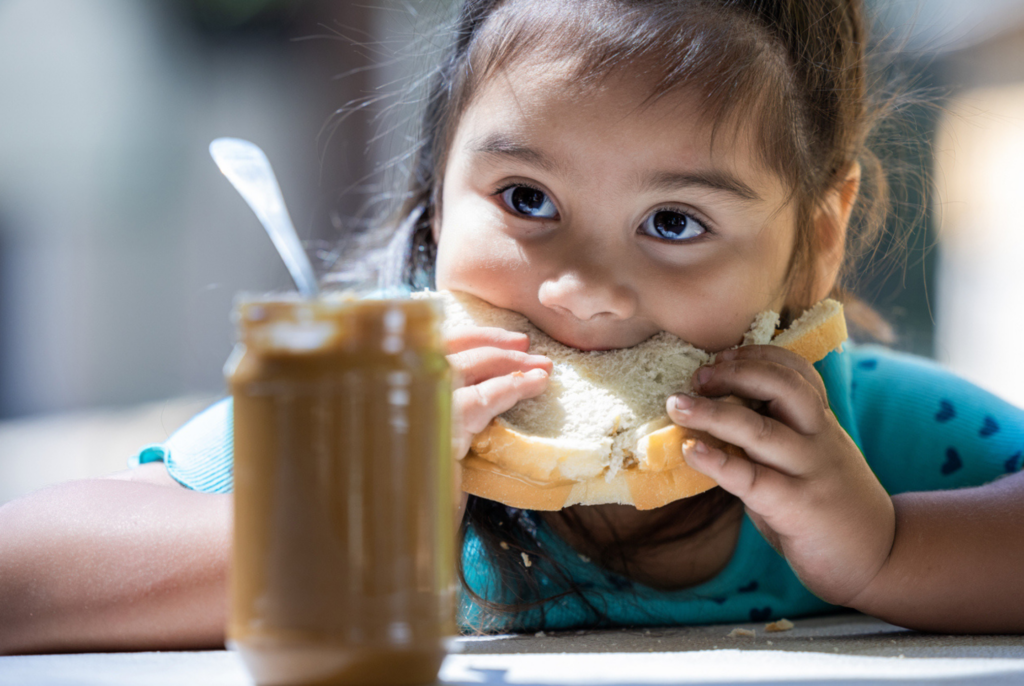
It’s common for selective eaters to prefer repetition rather than change. A repeated lunch isn’t automatically a problem. It can help reduce stress, offer sustenance and provide an opportunity for exploration of other foods. Consider tiny variations to the dish they enjoy the most.
For example, for a cheese quesadilla:
Tip: if your child has two or more favorite lunches they want on repeat, consider rotating them on the menu. This will help with continued acceptance of these foods by decreasing food fatigue (growing disinterest in foods eaten frequently).
With schedules being less structured during the summer, it can be easy for kids to fall into the routine of running in to grab a snack before taking off again for more fun! Summer days can be a blur of constant snack requests. Here are some tips to help with summer grazing:
Predictable meals can reduce bargaining and meltdowns while providing you with a chance to get out of the kitchen and enjoy the sun!
While summer is a great opportunity to recharge, soak up the fun and enjoy time together as a family, it can be tricky for so many reasons. Lack of routine, hotter weather, and changing environments are just to name a few. But summer lunches do not need to be complicated to nourish your child. Starting with familiar foods, offering small opportunities for variety, and keeping pressure low can help reduce stress and increase enjoyment of the day!
If your child’s eating feels limited, stressful, or hard to navigate, the dietitians at Centred Nutrition Collective can help you create a realistic plan that supports your child and your family. Book a free 15 minute phone consultation at Book Online | Centred Nutrition Collective.