

Can you prevent picky eating? A pediatric dietitian explains what helps in baby’s first year, from food exposure and textures to responsive feeding without pressure.

If you’ve spent any time online lately, you’ve likely encountered a lot of advice on how to “build a perfect eater.” Should we try purées or baby-led weaning or both? There are so many checklists: offer 100 foods before age one, introduce vegetables before fruit, and somehow keep the kitchen calm while your floor is a mosaic of mashed banana and avocado.
Between the reality that every child’s feeding journey is unique and the common refrain that “food before one is just for fun,” it’s no wonder parents feel confused. While mealtimes should be fun, we are also balancing developmental milestones and high-stakes nutrients like iron, making every meal feel like a test. Society often treats a child’s acceptance of fruits and vegetables as the gold standard of feeding success. As a pediatric dietitian, I see how this narrow definition of “success” puts immense pressure on parents to “prevent” picky eating by focusing on a single food group, rather than the feeding relationship as a whole.
At Centred Nutrition Collective, we want to change the narrative. The pressure to “do solids right” is real, but here is the truth when it comes to picky eating: You cannot completely prevent picky eating. And if your child becomes selective, it is not because you did something wrong.
The short answer is no, at least not entirely. Some level of food selectiveness is a normal, healthy part of child development. Picky eating is influenced by a complex web of factors, many of which are outside a parent’s control:
While you can influence the feeding environment, you cannot control the outcome. If you’re curious about the “why” behind these behaviours, our post on what causes picky eating dives deeper.
Even if there is no “prevention guarantee,” the first year is a vital window of learning. Think of it as an apprenticeship. Your baby is learning:
During this window, prioritizing iron-rich foods for babies ensures they have the energy and brain-building blocks they need to support their growth and their learning.
While variety builds familiarity, it doesn’t require a gourmet three-course meal every day. The ultimate goal is for your little one to learn to enjoy the foods your family already eats and the only way they can learn to like them is if they see them! Family leftovers and small, unassuming portions are perfect for this. Remember, serving repeated meals isn’t a failure; it’s the consistency your baby needs to feel comfortable.
How many times should you offer a food? There is no universal answer. Feeding journeys vary wildly; one child may need five tries, while a more cautious eater like my middle son may need years of consistent exposure to feel safe.
The goal of repetition isn’t to “get” them to swallow a food, but to build familiarity. Whether they are licking, tasting, or just tolerating having it on their tray, they are gathering the sensory information they need to eventually move forward when they are ready. Remember: exposure is about opportunity, not pressure, and we are in it for the long game.
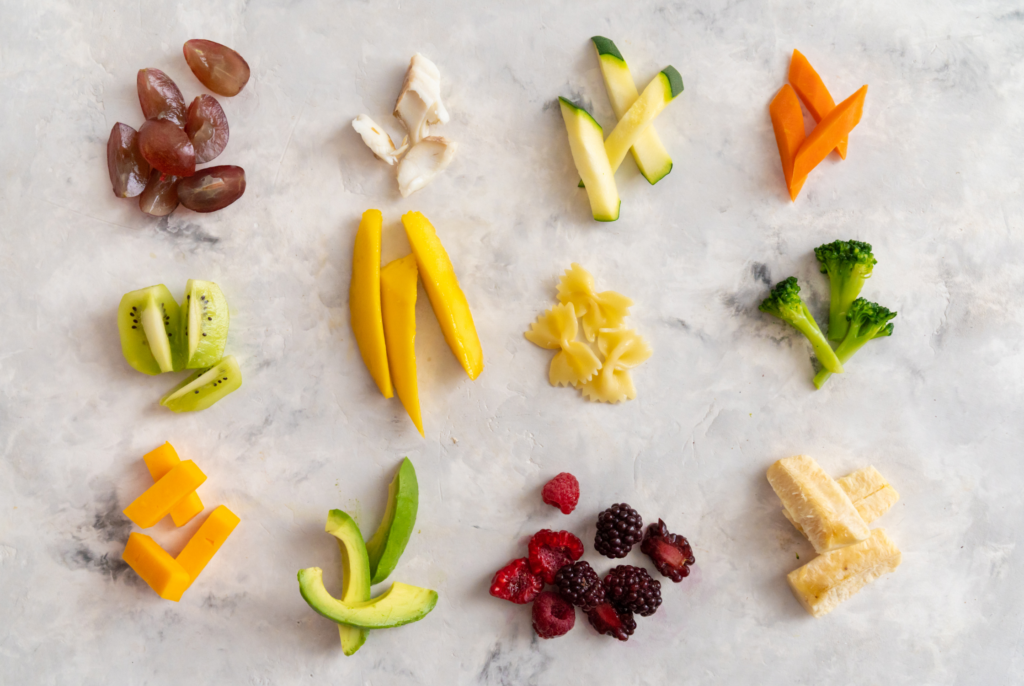
Moving beyond purées is often the most nerve-wracking part of the solids journey, as the fear of gagging and choking is the number one concern for most parents. However, progressing through textures is essential for developing your baby’s oral-motor skills. Our goal is to work towards offering a variety of textured foods by 10 months to support that development. If you’re feeling stuck, our dietitian’s guide to starting solids offers practical, safe steps for this transition.
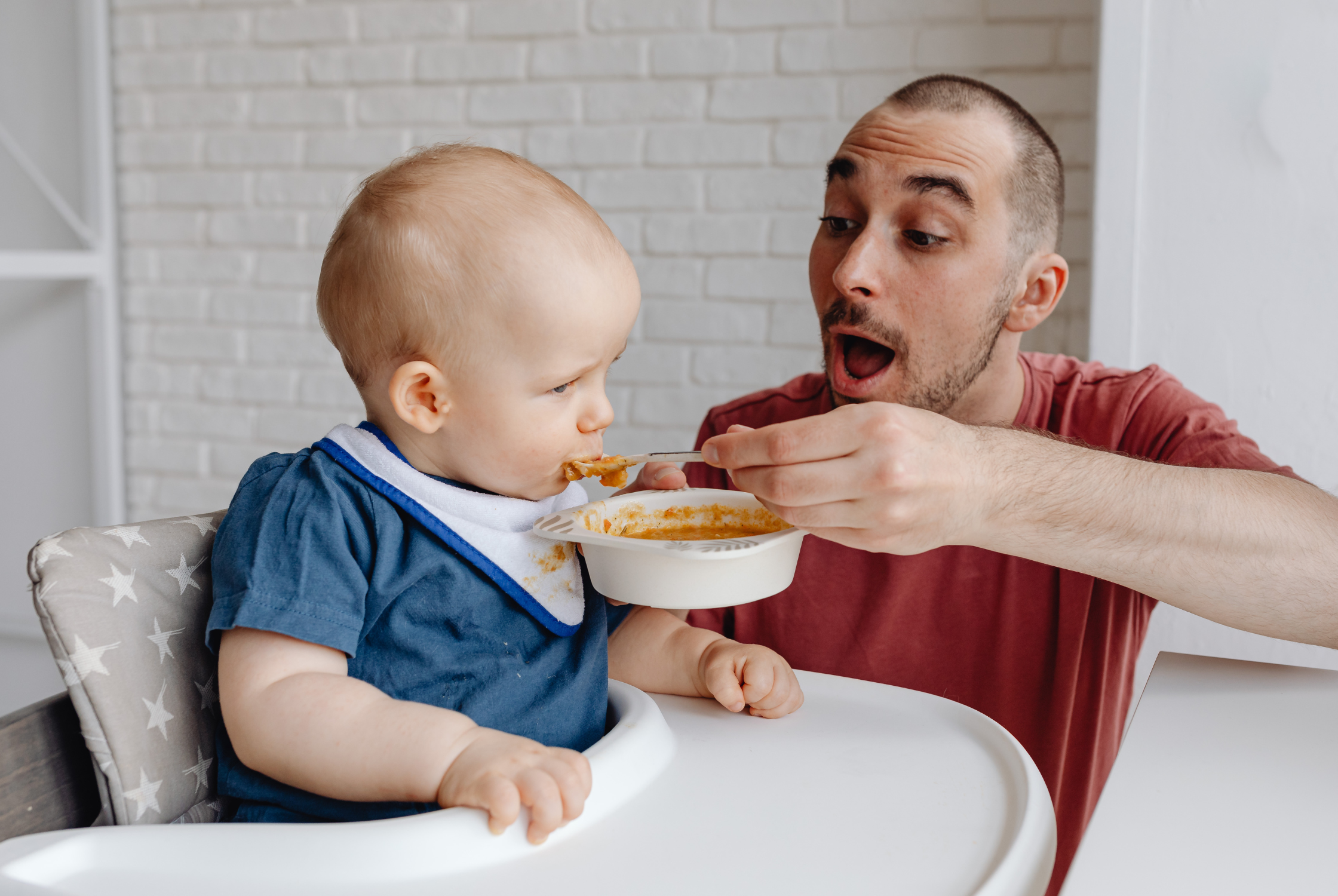
Mess is the hallmark of a successful sensory session. After all, eating is a full-body experience that activates all the senses! Babies gather vital information about their world by squishing, smearing, and mouthing their food. Since mess is such a vital part of sensory learning, the goal is to allow it to happen without letting it take over your kitchen.
Pro-tip: You can simplify the process by using a long-sleeved bib or even stripping your baby down to their diaper and placing a washable mat or tablecloth under the high chair, making the transition to bath time much smoother. Try to resist the urge to wipe your child’s hands or face while they are still eating. Instead, keep a cloth close by for urgent messes, but aim for one final cleanup only after the meal is officially over.
Responsive feeding means you decide the what, when, and where, and your baby decides if and how much to eat. This is called Ellyn Satter’s Division of Responsibility.
It is vital to remember that refusal is information rather than a rejection or failure. It might be a cue that they may be full, tired, or teething. When we apply pressure through “just one more bite,” sneaking food, or using distractions, we often inadvertently increase a child’s resistance. By honouring their cues and keeping the environment low-pressure, you transform the high chair from a place of performance into a space of trust and exploration.

You are your child’s biggest role model, and they learn primarily by watching you. This doesn’t mean family meals need to be perfect, elaborate, or even a nightly occurrence to be effective. In fact, modelling works best when it feels natural rather than performative; simply sitting with your baby while you have a quick snack counts as a meaningful connection. When your baby sees you authentically enjoying a variety of foods—or sharing modified versions of your own dinner—they receive a powerful, low-pressure invitation to eventually do the same.
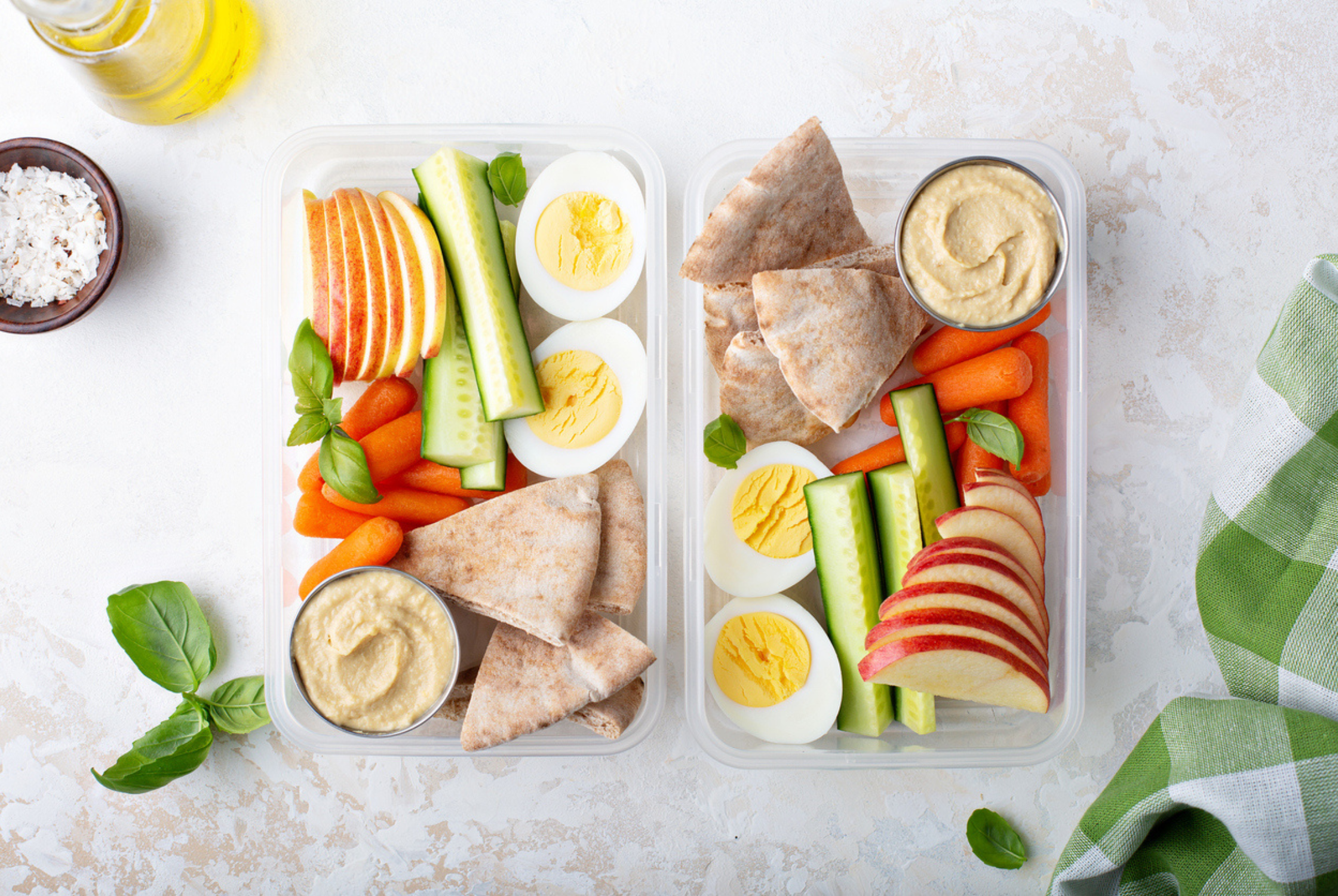
Around six months, babies need a boost of iron from the foods they eat. This can include anything from meat, poultry, and fish to eggs, lentils, beans, tofu, and iron-fortified cereals. These are all easy to offer in ways that match your baby’s current chewing skills.
The key is to keep things simple. You don’t need a calculator to get this right; just aim to have an iron-rich food on the tray most times you sit down to eat.
This is a common myth. While BLW offers great opportunities for self-feeding and texture exposure, spoon-feeding can be just as responsive. Many families use a combination of both. No single method guarantees a child won’t become picky; the feeding relationship matters much more than the method.
To reduce “parent guilt,” it’s helpful to know what often backfires:
I have been there! My oldest child followed every public health guideline perfectly, but my middle child was a totally different story. It was a humbling reminder that even as a pediatric dietitian, I can have a picky eater. If you are already feeling worried, please know that it is incredibly common for babies to:
Practical tips: Look at patterns over time rather than judging success by a single meal. Keep offering familiar foods as a safety net and continue with gentle, low-pressure exposure. Avoid turning mealtimes into a “test.” Often, if a meal isn’t going well, consider if timing, fatigue, or even constipation is affecting their appetite.
Schedule a free consult with one of our registered dietitians!
While many feeding hurdles are a normal part of development, consider reaching out for professional support if your baby:
The most important thing to remember is that picky eating cannot be fully prevented. It is a complex puzzle influenced by temperament and development—factors that go far beyond how you parent. I am living this right alongside you, and I can tell you firsthand that even with a dietitian’s training, mealtimes aren’t always “unicorns and rainbows.”
While you can’t control every outcome, you can support the feeding relationship by focusing on:
By prioritizing trust over control, you are building a foundation for your child to learn and change at their own pace. You are not to blame for your child’s selectiveness, and you don’t have to navigate this journey alone.
Ready for more personalized support? If you’re feeling overwhelmed by the “picky eating puzzle,” our team at Centred Nutrition Collective is here to help you find the missing pieces. Book a consultation with us today.