



Have you ever eaten lunch and spent the afternoon thinking about what you’ll eat next? Or enjoyed a food and immediately started planning how to make up for it tomorrow?
That’s a lot of thinking about food. Lately, people have been calling it food noise, a term that became more widely discussed alongside GLP-1 medications.
Food noise describes persistent, repetitive, or intrusive thoughts about food that take up mental space and may cause distress.
It isn’t a diagnosis, and it doesn’t tell us what’s causing those thoughts. They may relate to hunger, food rules, stress, or a combination of things.
As a dietitian who supports clients with their food relationships, I think it’s helpful to look at both what’s happening physiologically and how our learned relationship with food can make those thoughts louder.

No. Food noise is an emerging term, not a formal medical diagnosis. It describes an experience, but it doesn’t explain why someone is having it.
If food thoughts feel hard to manage, it can help to consider what might be contributing. Are you going long periods without eating? Do you feel preoccupied with foods you’ve labelled as off-limits? Are you overwhelmed by nutrition messages or dealing with stress, a health condition, or food insecurity?
Different experiences may call for different kinds of support.
Not every thought about food is food noise. Hunger, cravings, and meal planning are all normal parts of eating and caring for ourselves and others.
| Experience | What may be happening |
|---|---|
| Biological hunger | Your body needs nourishment. You may notice changes in energy, concentration, or other hunger cues, which can bring food to mind. |
| Cravings | You want a particular food or eating experience. Cravings can be connected to hunger, pleasure, or other factors. |
| Meal planning | You’re thinking about groceries, meals, timing, and what works with your schedule. |
| Food noise | Thoughts about food feel persistent, intrusive, or distressing, and take up more mental space than you’d like. |
| Disordered-eating preoccupation | Food thoughts may be tied to rigid rules, fear, restriction, bingeing, or compensatory behaviours, often alongside anxiety about eating. |
If you’re feeding a family, managing food allergies, living with diabetes, or fitting meals around work and activities, you may naturally spend a lot of time thinking about food. That alone doesn’t mean there’s a problem. It’s worth paying attention to what’s driving the thoughts and how they affect your relationship with eating.
Diet culture can add to food preoccupation by encouraging us to follow external rules and label foods as “good,” “bad,” “clean,” or “junk.” When we start judging ourselves by what we eat, food can begin to feel like a reflection of our character.
There can also be physical reasons for thinking about food more often. If we’re not eating enough or going a long time between meals, our bodies may respond with hunger and thoughts about food. Stress, anxiety, food insecurity, health conditions, and constant exposure to nutrition messaging can also affect how much mental space food takes up.
Before deciding that food thoughts need to be switched off, it helps to consider what might be making them louder.
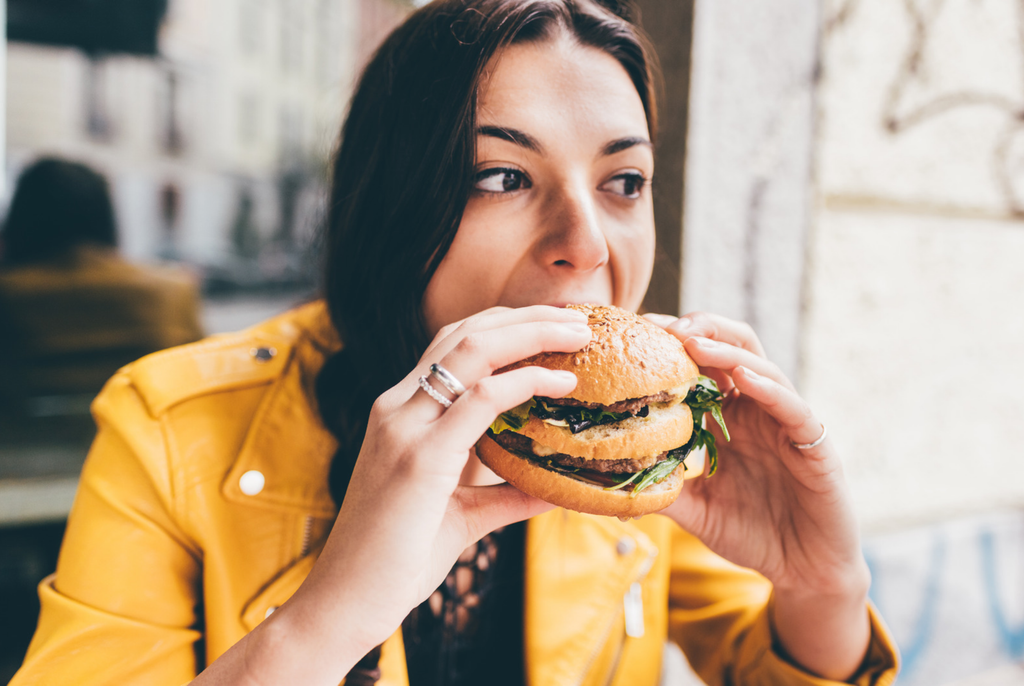
It can. Restriction may be physical—when we’re not eating enough—or cognitive, when rigid food rules make certain foods feel forbidden.
When we go a long time without eating or don’t get enough nourishment, it makes sense that we may think about food more. That isn’t a failure of willpower. Sometimes what we need is lunch.
Food rules can make things more complicated. Imagine choosing a salad because it feels like the “right” choice, then worrying about whether you’re allowed to have chips or chocolate afterward. If you’re still hungry, you might judge yourself for wanting more food. A simple lunch has turned into an afternoon of negotiating, worrying, and planning what you’ll eat next.
The distress may have less to do with the food itself and more to do with the meaning attached to it. When we feel guilty or ashamed about eating a food, it can become harder to notice hunger, satisfaction, and enjoyment. Restriction and shame can contribute to a stressful eating cycle, though everyone’s experience is different.
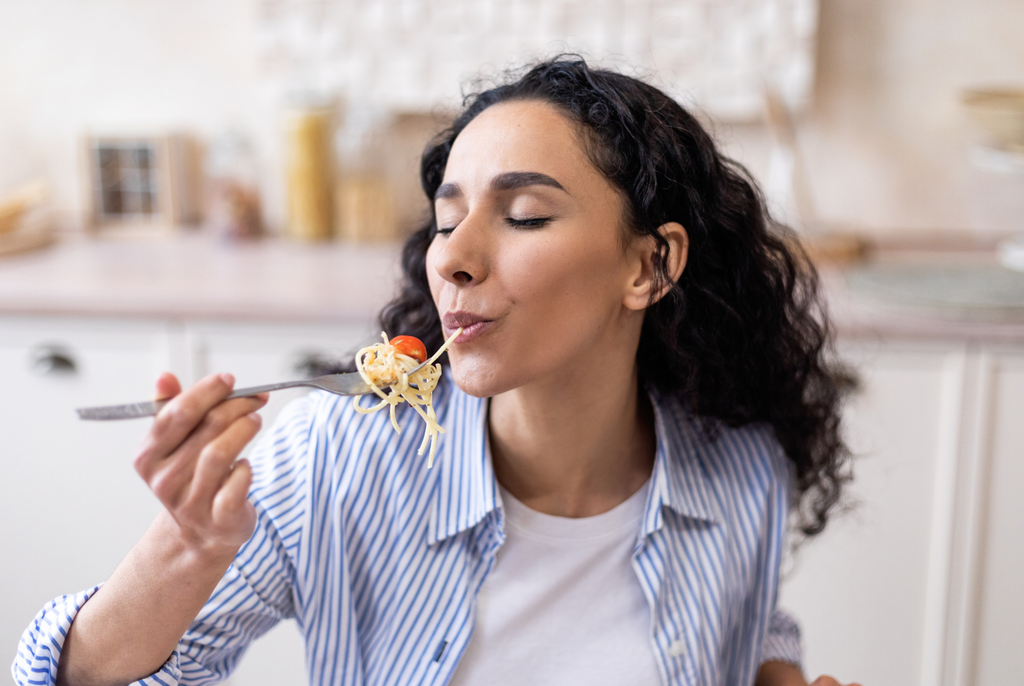
No. I’ll say it: willpower is possibly the worst tool in the nutrition toolkit.
It’s like trying to build a house with just a saw. Need a hammer? I’ve got a saw. Need a screwdriver? Still got my saw.
Willpower is one tool, and it isn’t the right tool for every situation. Our bodies are responding to hunger, fullness, stress, and what’s happening around us. Expecting discipline to override all of that can leave us blaming ourselves for a normal response.
Hunger isn’t a character flaw. Enjoying food isn’t a character flaw. And struggling with food rules doesn’t mean someone lacks discipline.
GLP-1 medications are one reason the term food noise has become more widely discussed. In a qualitative study, some participants taking GLP-1 medications described reduced food noise, psychological hunger, or appetite. Experiences vary, and more research is needed to understand how these changes relate to persistent thoughts about food.
Reducing appetite doesn’t necessarily change food thoughts rooted in guilt, shame, or rigid rules. Those experiences may need a different kind of support. It’s useful to consider both the physical and emotional sides of eating.
When appetite is reduced, some people may also find it harder to notice when they need to eat. A routine can create regular opportunities for nourishment, while leaving room to adjust food and portions to what feels manageable. Anyone using a GLP-1 medication can discuss eating concerns or side effects with their health-care team.
Rather than trying to suppress every thought about food, start by noticing what might be contributing to it.
How long are you going between meals or snacks? Are you often getting to supper after a long day without eating? Are you relying on one meal to carry you through several hours?
Before blaming willpower, consider whether your body may need more regular opportunities to eat. Having something available between meals can be helpful when the next meal is a while away.
Pay attention to when you label foods or yourself as good or bad. You might ask: What am I telling myself about this food? Am I enjoying it? Am I hungry, satisfied, or still thinking about it because I’ve been telling myself I can’t have it?
Some foods provide different nutrients or meet different needs, but eating one food doesn’t make you a better or worse person. These ideas are also part of intuitive eating, an approach that focuses on building a more connected relationship with food rather than pursuing weight loss. We explain more in our guide to intuitive eating and why weight loss isn’t its goal.

Imagine you’re enjoying a piece of cheesecake and notice you’re satisfied before you’ve finished it. You might remind yourself: I can stop now, and I can have this again.
That permission can make it easier to notice whether you’re still enjoying the food, without feeling that you have to eat it now because it might not be allowed later.
If you grew up in the “clean plate club,” it may also help to serve yourself an amount that feels manageable while knowing you can go back for more. You’re allowed to have more. You can practise noticing your own cues instead of relying only on what’s left on your plate.
If thoughts about food take up a lot of mental space, cause distress, or interfere with eating and enjoying food, support may help. This is especially true if you’re noticing guilt or shame, rigid food rules, ongoing restriction, bingeing, or intense anxiety around food or body changes.
A dietitian can help explore how your eating patterns and beliefs about food may be contributing. Sometimes medical or mental-health support is also helpful. You don’t need to be a particular body size or have a formal diagnosis to deserve support with your relationship with food.
We eat for nourishment, and we also eat for pleasure, connection, and enjoyment. Those things can belong together.
If someone brings home a homemade apple pie, I’m going to pour myself a cup of coffee, warm up a slice, sit down, and enjoy it. Enjoying food doesn’t make you a failure, and you don’t have to earn the right to enjoy it.
If thoughts about food are leaving you stressed, distracted, or constantly questioning your choices, you don’t have to sort through that alone. Working with a dietitian can help you understand what’s happening and build a relationship with food that supports nourishment and enjoyment.
Learn more about eating disorder and disordered eating nutrition support.
This article is intended for general nutrition education and does not replace individualized medical or nutrition advice. GLP-1 medications should be used under appropriate medical supervision.