

It’s 5:00 p.m., everyone is hungry, and you’re standing in front of the fridge trying to figure out what’s for dinner. Sound familiar?
Between work, school, extracurricular activities, appointments and all the other responsibilities that come with raising a family, deciding what to feed everyone can feel like another full-time job.
You might have tried meal planning before. Maybe you spent Sunday afternoon choosing seven recipes, making a grocery list and assigning each meal to a specific day. Then Tuesday’s activities ran late, you forgot to thaw the chicken, or nobody felt like eating what you had planned.

Suddenly, the meal plan that was supposed to make life easier feels like another thing you haven’t accomplished.
Here’s the good news: meal planning doesn’t have to mean planning every meal, cooking everything from scratch or following a strict schedule.
As a registered dietitian who works with children and families, I encourage parents to find a meal-planning approach that works with their schedule, energy and family’s food preferences.
There are so many different approaches. A great place to start for many families is choosing just three or four dinners each week, keeping ingredients available and allowing meals to move around depending on how the week unfolds.
Let’s explore how flexible meal planning can help reduce the daily stress of feeding your family.
Flexible meal planning means deciding on some of the meals your family will eat ahead of time, without assigning every meal on a specific day.
Rather than planning seven different dinners (ugh!), you might choose three or four meals you know your family enjoys, purchase the ingredients and decide which one to prepare each evening.
This simple change provides structure while allowing room for busy schedules, changing appetites, leftovers and unexpected plans.
Flexible meal planning can include:
The goal of meal planning is to reduce the number of decisions you need to make throughout the week, not create more rules to follow.
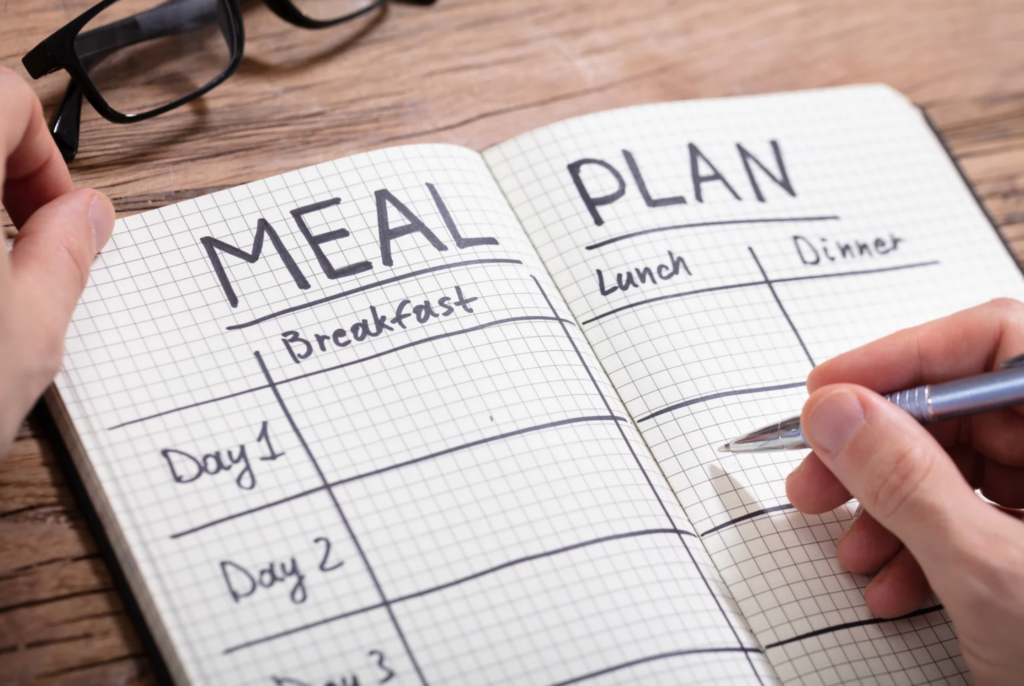
One of the most common mistakes families make when starting meal planning is trying to plan too much. I’ve been there, too! If planning seven dinners feels overwhelming, don’t plan seven dinners!
Instead, consider starting with three or four meals. For example, your weekly dinner plan might look like this:
| Meal option | Example |
| Dinner 1 | Tacos or build-your-own burrito bowls |
| Dinner 2 | Pasta with meat sauce, tofu sauce or pesto |
| Dinner 3 | Sheet-pan chicken, potatoes and vegetables |
| Dinner 4 | Homemade pizza or breakfast for dinner |
| Leftovers | Use up ingredients or meals from earlier in the week |
| Backup | Grilled cheese, eggs and toast or frozen pizza |
| Open night | Takeout, a family gathering or whatever works |
Notice that none of these meals are assigned to a specific day. You might make tacos on Monday one week and Thursday the next. If everyone gets home late, you can choose your easiest meal and leave the more involved recipe for another evening.
You also don’t necessarily need seven separate meal options. Some dinners may provide leftovers for another night, while others may be planned around events or meals away from home.
Three or four dinners are simply a starting point. Some families may only need two planned meals, while others may prefer to plan five or six.
If you’re wondering how to get started, here’s a practical approach that can take approximately 10–15 minutes once you’ve established a routine.
Before deciding what to cook, take a few minutes to look at your calendar and consider:
Knowing what your week looks like helps you choose meals that match the time and energy you’ll realistically have available. For example, you might choose a slow-cooker meal for a busy afternoon or a sheet-pan dinner for an evening when everyone will be home.
Before making your grocery list, take a quick look through your fridge, freezer and pantry.
Are there vegetables that need to be used? Meat in the freezer? Rice, pasta or canned beans in the cupboard?
You might already have the foundation for several meals. Using what you have can reduce grocery spending and food waste while making meal planning easier. There is no need to create a detailed kitchen inventory. A quick check is enough.
Start with foods your family already knows. I often encourage families to think about meals in terms of familiar carbohydrates or starches since they are generally the most consistent option that everyone will eat and build around those.
For example:
Choosing familiar meal components can be particularly helpful when feeding children with different food preferences. You don’t need to make complicated recipes or try new meals every week. Familiar favourites are a great place to start!
Once you’ve chosen your meals, write them somewhere visible. You can use a magnetic meal-planning board, a paper notepad on your fridge or a note on your phone.
Instead of assigning a day to each meal, simply create a list. When dinnertime approaches, look at your choices and ask:
What do we have time and energy to make tonight?
Remember to consider food safety and storage when deciding which ingredients to use first. Fresh meat and other highly perishable ingredients may need to be cooked or frozen earlier in the week. The goal is to give yourself options without creating another rigid schedule.
Once you’ve chosen your meals, list the ingredients you need.
Try to select some ingredients that can work in multiple recipes.
For example, tortillas can be used for tacos, quesadillas and wraps. Rice can be used for stir-fries, burrito bowls or served alongside a protein and vegetables. Leftover rice can be used in this clean out the fridge fried rice recipe.
Frozen vegetables, canned beans, pasta and prepared sauces can help create meals without requiring another grocery trip. Don’t forget to check your usual breakfast, lunch and snack staples as well.
Some families prefer a little more predictability. If choosing recipes every week feels exhausting, consider assigning a theme to each night.

A theme night gives you a general direction without requiring you to make exactly the same meal every week. Here’s an example:
| Day | Theme | Meal ideas |
| Monday | Rice bowls or stir-fries | Teriyaki tofu bowls, burrito bowls, chicken shawarma |
| Tuesday | Mexican-inspired | Tacos, quesadillas, fajitas, nachos |
| Wednesday | Pasta | Spaghetti, pesto pasta, baked pasta |
| Thursday | Sheet-pan or leftovers | Chicken and vegetables, gnocchi, leftovers |
| Friday | Easy dinner | Pizza, air fryer meals, sandwiches, burgers |
| Saturday | Family choice | Another family member cooks, takeout or favourite meal |
| Sunday | Roast or family dinner | Roast chicken, potatoes and vegetables |
This approach can be especially helpful when you want to reduce the number of decisions involved in planning meals. Instead of asking, “What should we eat this week?” you’re asking, “What pasta meal should we make on Wednesday?”
You can also build a rotation of two or three recipes for each theme and repeat them throughout the month. Some families enjoy changing their rotation seasonally. For example, warm rice bowls and roasted vegetables during colder months might become salads, grilled proteins and fresh vegetables in the summer.
Repetition isn’t a meal-planning failure. Familiar routines can make feeding your children and in turn your family much easier.
If ADHD makes meal planning feel especially challenging, our guide to meal planning with ADHD offers more strategies to help make the process manageable.
Another useful strategy is creating a running list of meals your family enjoys. You can keep your list in a notebook or binder, on your phone or in a recipe-organizing app (I do this in a shared note in my phone!). Start with 10–15 meals you already know how to prepare.
You might organize them into categories such as:
This removes the pressure to come up with completely new recipes each week. When you’re ready to try something different, add one new meal to your rotation.
Feeding a family becomes more complicated when everyone likes different foods, particularly when children are selective eaters.
One strategy I often recommend is using build-your-own meals. Instead of making several completely separate dinners, prepare foods that can be served family style in different combinations.
For example:
DIY Rice Bowls
DIY Tacos
DIY Pasta
Remember that children don’t have to eat identical plates for it to count as a family meal. Parents can provide structure around what foods are offered and when, while allowing children to decide whether and how much to eat from what’s available.
Even with a great meal plan, things don’t always go as expected. Maybe you get home later than anticipated. Someone isn’t feeling well. Or you simply don’t have the energy to cook.

This is where having a short list of backup meals can be incredibly helpful. A backup meal should use ingredients you commonly keep at home and require very little preparation.
Some examples include:
There is absolutely nothing wrong with relying on convenience foods or ordering takeout when needed.
Using your backup meal doesn’t mean your meal plan failed. It means you planned for real life.
As dietitians, we know how important it is to offer children a variety of nourishing foods. But we also know that creating perfectly balanced meals every single time isn’t realistic or necessary.
When planning meals, consider including some combination of:
Some meals naturally include several food groups, while others may be simpler.
Including children in the planning process can help them become more familiar with the foods your family eats and give them opportunities to develop food-related skills. However, it’s important to offer choices that are appropriate for their age and abilities.
For younger children, you might ask:
Older children may enjoy choosing one family meal, helping create the grocery list or participating in meal preparation.
You can also ask your partner or other family members which meals they’ve been enjoying or would like to have again.
Remember that involving children in meal planning doesn’t guarantee they’ll eat everything served. The goal is participation, not pressure.
It probably will! One of the benefits of flexible meal planning is that your plan can change without having to start all over. If something unexpected comes up:
Ready to try it? Here’s a simple routine to follow:
If this still feels like too much, start with planning just two dinners on your two busiest nights.
There’s no rule that says you need to master meal planning in one week.
At Centred Nutrition Collective, our registered dietitians help families navigate meal planning, selective eating, different food preferences and busy schedules with practical, individualized strategies.
Learn more about our family nutrition counselling services and discover how we can help make feeding your family feel more manageable.